
Clowning Around with Puffins ...and why maybe we all should.
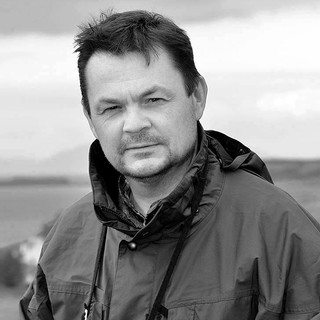
Rob Read takes a fresh look at a popular subject
I’ve probably seen more images of Puffins than most people. There have been days judging photography competitions when I've found myself shouting, "Not another bloody puffin!" at the computer screen... only for another 'bloody puffin' to appear a fraction of a second later.
Now don’t get me wrong, these birds (along with Kingfishers perhaps) may be the most photogenic species on the planet. And yes, I admit to using my fair share of hard drive space to store my own puffin collection. The Clown of the Sea has such an amazing combination of colour, body proportion, behaviour and accessibility, that its popularity is understandable.

'Penguins of the Northern Hemisphere'
And they aren’t just popular with photographers. Everybody, I mean everybody, recognises a puffin instantly, whether you are interested in birds or not, and they are used copiously in magazines and websites across the globe. That cute little face, dumpy body and brightly coloured bill are timelessly endearing. The penguins of the Northern Hemisphere.
As a result, we are exposed to thousands of photographs of these birds. And the overwhelming majority of these images will follow similar formats - from tightly cropped and beautifully executed portraits, to birds in flight with perfectly symmetrical outstretched wings, close-ups of beaks full of sand eels – you know the drill.
Shaping our expectations
And this is exactly my point. The more we see images like this, the more they begin to shape our expectations and direct the way we take our own images. Ultimately, we tend to think the same way everyone else does and produce photographs that mimic what has gone before.

'we already have a shot list imprinted in our heads'
When we arrive at Hermaness, take a boat to Skomer Island, visit Bempton Cliffs, or the many other well-known colonies, we already have a shot list imprinted in our heads:
· Close portrait
· Puffin in Thrift
· Bill full of sand eels
· Wings outstretched
· Landing flight shot
· Puffin emerging from burrow
Tick, tick, tick…..
And then we go home with a memory card full of images and a flat camera battery thinking we have photographed puffins.
I’d argue that what we have photographed are simply the preconceptions we have inherited from others.
'the poster boy of the avian world'
Those of you that have had the privilege of visiting the Hermaness Reserve on Unst, Shetland will know that it is one of the most dramatic locations you will ever find. One of the best places on Earth to photograph the poster boy of the avian world. In July, I spent a week there and devoted four entire days to clowning around with puffins.
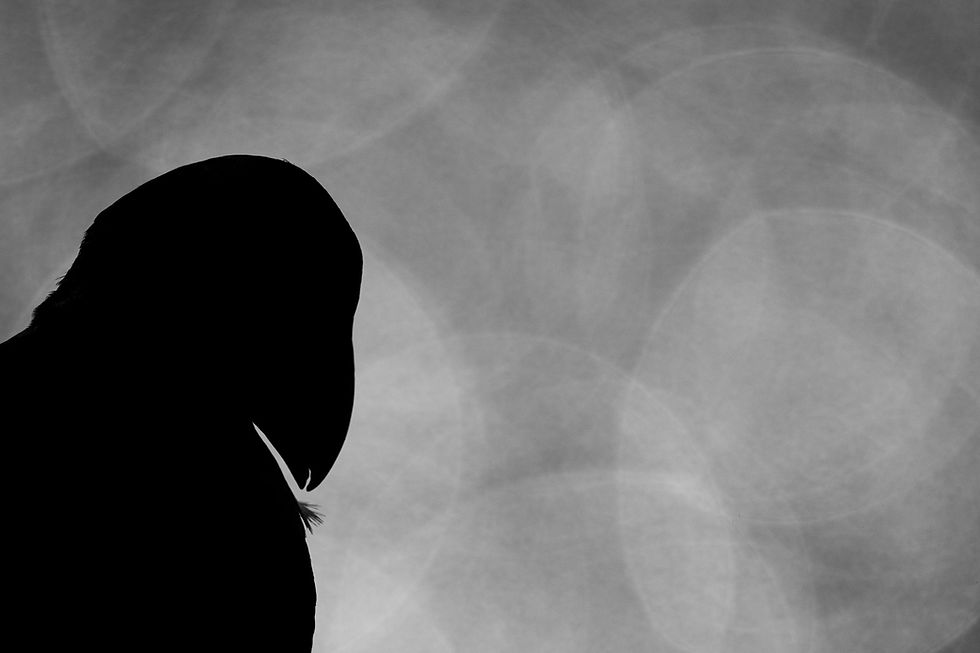
'Deliberately ignoring the easy and the obvious closed many of the usual doors to image creation.'
My determination was to rip up everything I thought I knew about these birds, and throw away all notion of taking photographs that would have me screaming ‘not another bloody puffin!’ at my screen. More easily said than done of course.
Deliberately ignoring the easy and the obvious closed many of the usual doors to image creation. But closing some doors opens others, you just need to be prepared to experiment and fail.
The thing I found the most surprising about my time on Hermaness was just that – time. Giving myself the permission to simply sit down, watch and observe without chasing the clichéd shots was time well spent. Those four days with the same birds revealed personalities, routines and opportunities that only emerged because I stayed put and allowed the birds to dictate the pace.
Subtle changes in the weather and the time of day would provide, sometimes fleeting, unique moments that only spending time in one spot could deliver. It was magical. It opened so many of those previously closed doors.
And forcing yourself to continue working with the same subjects when you think you have exhausted the shot repertoire can result in fresh ideas and different approaches.
And I quickly found myself exploring one question:
How could I deliver more by showing less?

My favourite shots from the trip all remove something to allow space for viewer interpretation. Whether it be detail through a high or low-key approach, colour through black and white conversion, sharpness and detail through motion blur or ICM; the theme was as consistent as it was deliberate.
And, above all, I found myself concentrating on photographs that didn’t visually describe, they provoked emotion. The birds were no longer the primary subject, the moment was the star of the show.
I urge you to look deeper and ‘feel’
The next time you visit a puffin colony, by all means take the classic images if you want. They are classic for good reason. But I urge you to look deeper and ‘feel’. Break some rules, try something outrageous, push some boundaries and be content to fail. A bigger risk of failure also brings the chance of greater reward.
So, go and clown around with some puffins.
You might just discover that the best photographs aren't the ones that show the most... they're the ones that make us feel the most.
Rob Read.


Comments