
Seeing in Black and White
In a world obsessed with colour, could removing it be the key to creating more powerful bird photographs?

Nature photography is often celebrated for its vibrant colours. From the electric blues of a kingfisher to the fiery tones of a sunrise, colour naturally draws our attention. Yet some of the most striking bird photographs contain no colour at all. Black and white photography asks us to see differently.
By stripping away colour, we reveal the foundations of an image: light, shape, texture, contrast and composition. Done well, a monochrome photograph can feel timeless, dramatic and deeply emotional.
Why Black and White Still Matters
Modern cameras capture extraordinary colour and detail, even in challenging light. So why convert an image to black and white?
The answer is simple: black and white changes how we experience a photograph.
Without colour competing for attention, viewers are drawn directly to the structure of the image. Every line, shadow and highlight becomes more important. There is nowhere for poor composition to hide and the result is often a stronger visual connection between the viewer and the subject.

Think Beyond the Rescue Conversion
Many photographers, myself included, have been guilty of treating black and white as a last resort—something to try when a colour image doesn't quite work. But the most successful monochrome photographs rarely begin that way.
The strongest black and white images are often envisioned before the shutter is pressed. Instead of asking, "Can I save this image in black and white?", ask:
"Would this scene be stronger without colour?"
When black and white is part of your creative vision from the start, your choices about light, exposure, background and composition become much more deliberate.

Choosing the Right Subject
Not every bird photograph benefits from monochrome treatment. If colour is the primary attraction of the species, removing it may weaken the image. A kingfisher's brilliant plumage, for example, is often central to its appeal.
On the other hand, species with simple tonal patterns can be ideal subjects. Think about birds such as:
Mute Swans
Eurasian Coots
Great Cormorants
Herons
Gulls
Crows
These birds offer bold shapes, clean tonal contrasts and strong graphic qualities that translate beautifully into black and white.

Simplicity and Texture: Finding the Right Balance
One of the biggest lessons in monochrome photography is that every element within the frame becomes more important.
Simple compositions often work exceptionally well because the viewer can focus entirely on shape, form and contrast. Clean backgrounds, strong silhouettes and thoughtful use of negative space can create images with tremendous impact.
But simplicity is not the only route to success.
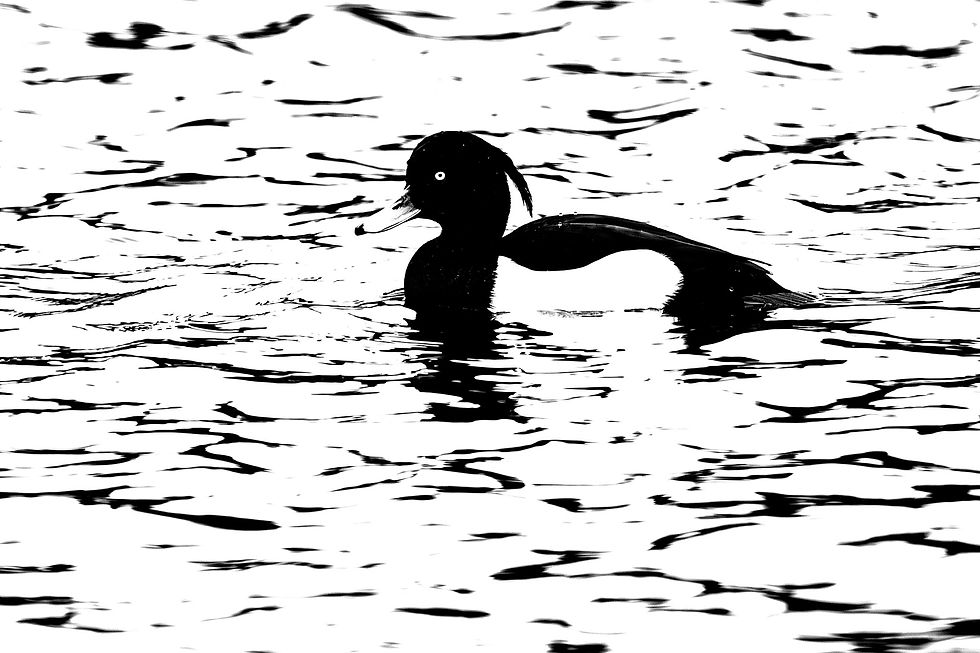
Black and white photography can also reveal texture in a way that colour often masks. Reeds, rippling water, weathered wood, feathers, grasses and reflections can all become powerful design elements within an image. Once colour is removed, the viewer naturally begins to explore tonal variation and surface detail, discovering patterns and textures that might otherwise go unnoticed.
The key is not necessarily to eliminate complexity, but to ensure that any texture included in the frame contributes to the photograph rather than competing with the subject. A textured background can add atmosphere, depth and visual interest, provided the bird remains the clear focal point.
When working in black and white, ask yourself whether the background is supporting the story. If it is, embrace it. Texture can be just as important as simplicity in creating a memorable monochrome image.
Let Light Shape the Story
Light is the sculptor of black and white photography.
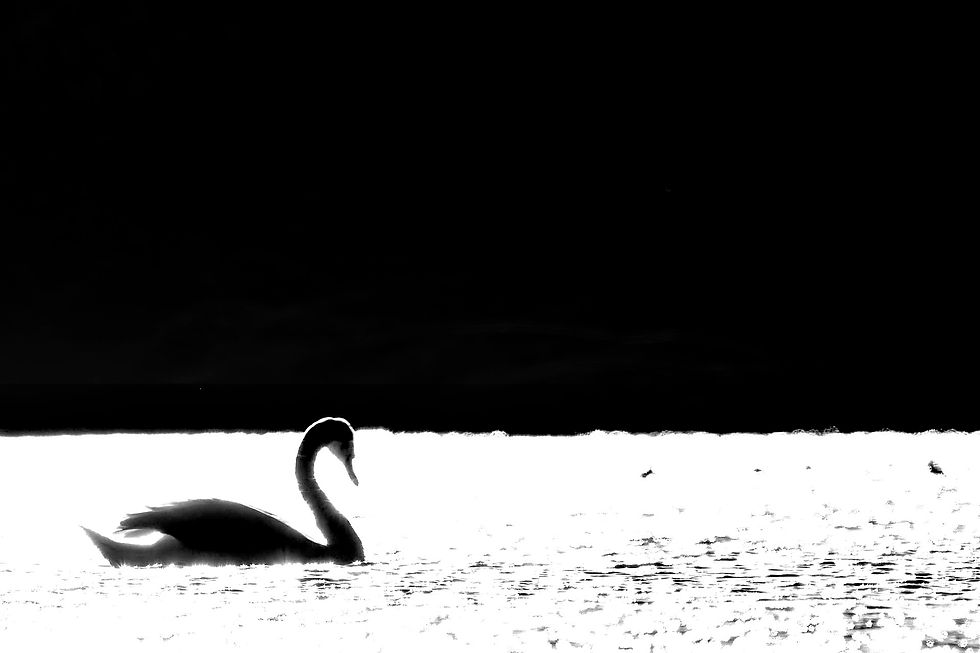
Without colour, light becomes the primary tool for creating mood and dimension. Side-lighting reveals texture, backlighting emphasises shape, and high contrast can transform an ordinary scene into something dramatic.
Early morning and late afternoon light remain favourites for many photographers, but monochrome opens up opportunities throughout the day. Harsh sunlight that might be challenging in colour can produce striking black and white images full of contrast and atmosphere.
Don't Ignore Grey Days
Overcast weather is often dismissed by wildlife photographers, yet it can be excellent for black and white work. Soft light reduces colour saturation naturally, allowing attention to shift toward:
Texture
Tonal contrast
Patterns
Reflections
Reeds, feathers, water ripples and weathered surfaces all become important design elements. These quieter conditions can create photographs that feel calm, elegant and contemplative.

High-Key Creativity
Black and white photography isn't only about deep shadows and dramatic contrast. High-key images can be equally powerful.
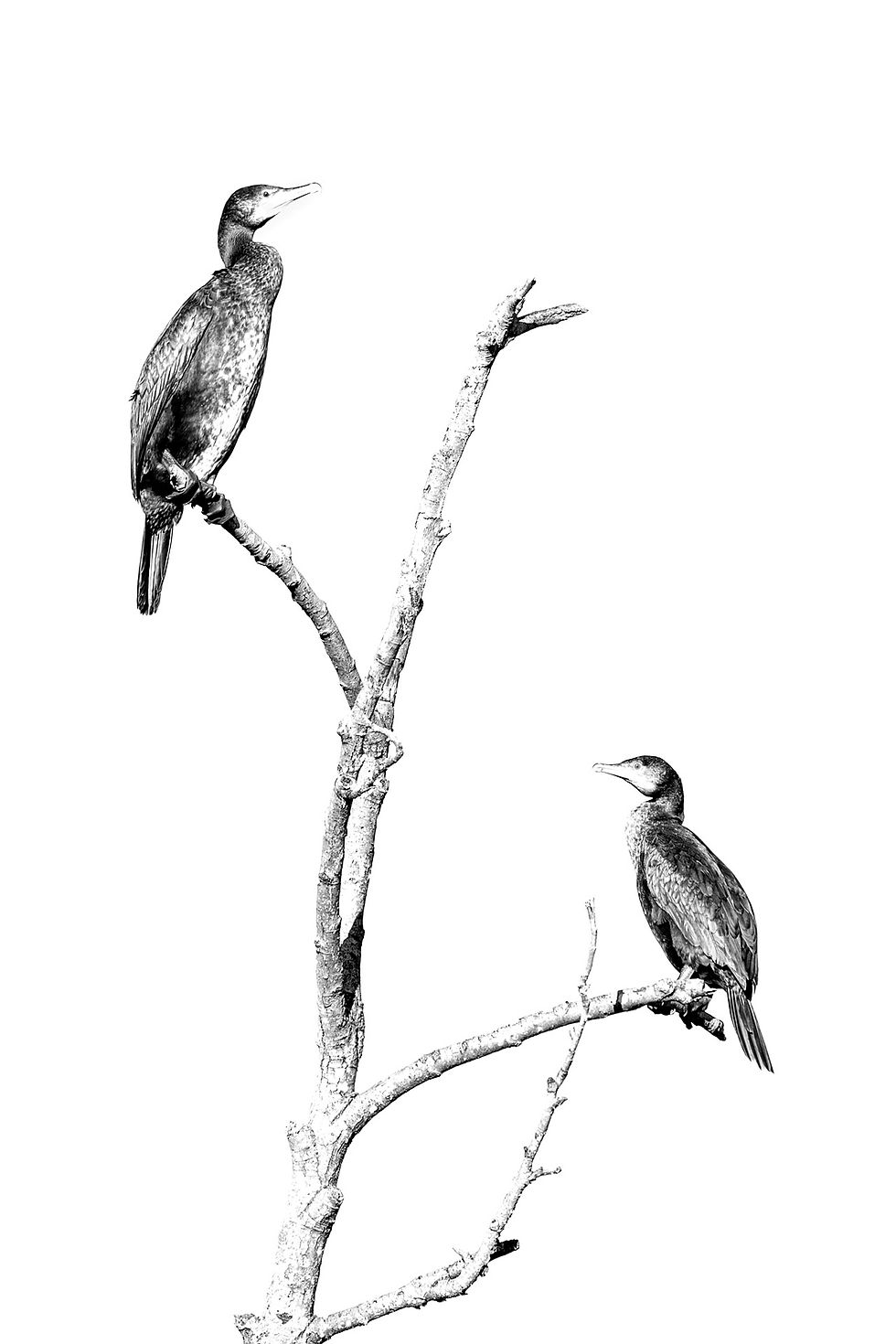
By deliberately overexposing a scene, photographers can create bright, minimalist compositions that emphasise shape and simplicity. Birds perched on wires, flying through mist, or standing against pale skies often lend themselves beautifully to this approach. The reduced tonal palette creates a sense of elegance that can be difficult to achieve in colour.
A Creative Challenge for Every Bird Photographer
Black and white photography challenges us to slow down and think differently.
Instead of chasing colour, we begin to search for:
Form
Texture
Contrast
Mood
Simplicity
It encourages a more artistic approach to bird photography and often reveals opportunities we might otherwise overlook.
For photographers entering the WildArt Bird Photography Awards, experimenting with monochrome can be a powerful way to develop a distinctive creative voice.
The next time you're in the field, try asking yourself a simple question:
If colour disappeared from this scene, would the photograph become stronger?
You may be surprised by the answer.
Rob Read.


Comments