
See the Light
How turning away from convention transformed the way I photograph birds.
If there is one thing that has changed my photography more than any camera, lens or piece of technology, it is learning to see light differently.
When I first picked up a camera, I followed the traditional advice. Keep the sun behind you. Light the subject evenly. Show as much detail as possible. It's sound advice. If your goal is to create a clear record of a species, or produce an image that documents what you saw, then front lighting is often exactly what you need.
But over time, my relationship with photography changed and I became less interested in recording what a bird looked like and more interested in capturing how an encounter felt.
And that simple shift changed everything.
Looking towards the light
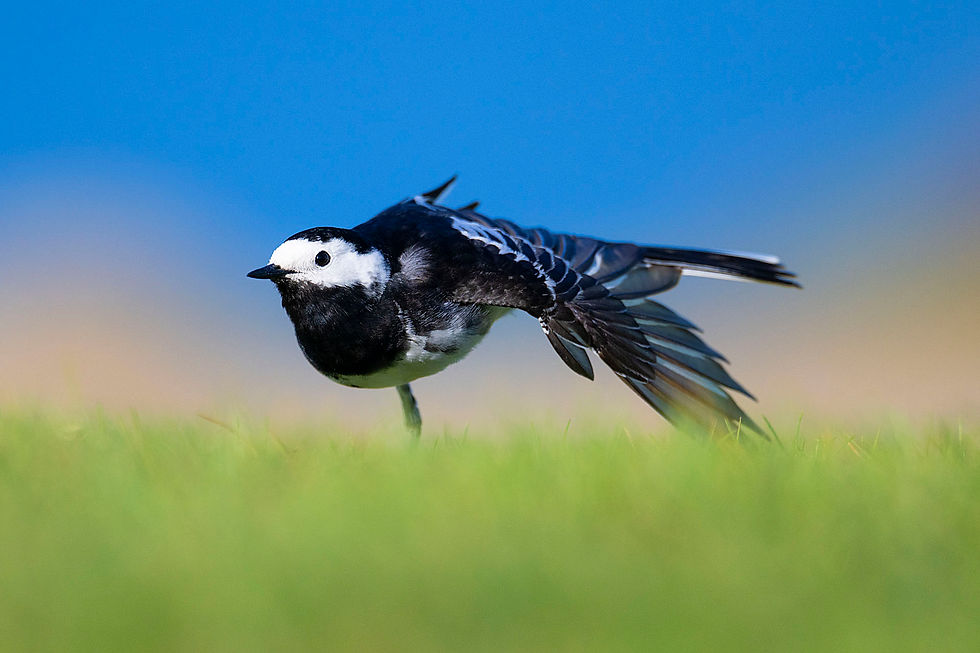
One of the biggest creative breakthroughs in my photography came when I started doing the exact opposite of what I had always been taught. Instead of keeping the sun behind me, I began photographing directly into it.
At first, it felt completely wrong. The camera struggled, exposures became more challenging, subjects lost detail and images often failed. But every now and then, something magical happened. The light stopped being something that simply illuminated the subject and became part of the photograph itself.
Photographing atmosphere, not just subjects
When you shoot into the light, the image becomes less about detail and more about mood.
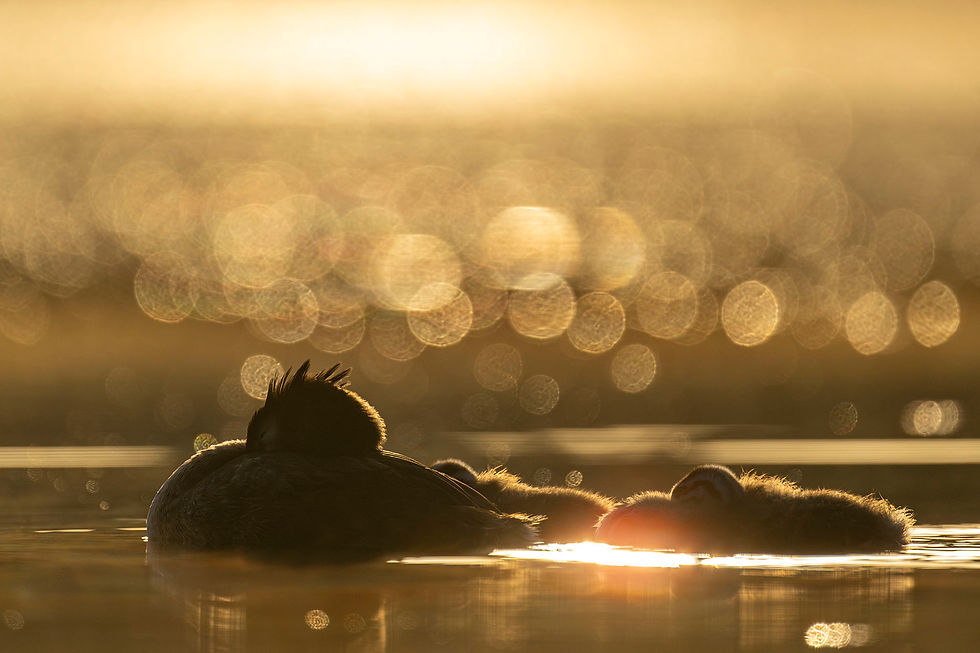
Mist begins to glow, water sparkles, feathers catch delicate edges of light, shapes become silhouettes - ordinary encounters suddenly feel cinematic. Instead of simply photographing a bird, you start photographing atmosphere.
For me, this was a revelation.

The beauty of imperfection
One of the reasons I love backlighting is that it naturally encourages a less literal approach.
The bird doesn't always need to be fully visible - every feather doesn't need to be perfectly rendered.
Sometimes a silhouette can be more powerful than a detailed portrait because it invites the viewer to engage with the image rather than simply observe it. The same is true of bokeh, those beautiful out-of-focus circles of light that can transform a mundane background into something almost dreamlike.
These effects aren't distractions - they become part of the story.
Learning to see opportunities
Once you begin looking for light rather than subjects, the world starts to appear differently.
A patch of mist over a lake becomes an opportunity. Dew-covered grass catches your attention. Reflections on wet pebbles become a potential background. The breath of a bird on a cold morning suddenly becomes visible.
You stop asking "What can I photograph?" but instead ask "What can I do with this light?"
It is a subtle change in mindset, but it opens up an entirely new creative world.

Creativity lives at the edges
Many of my favourite images from recent years have one thing in common - they were created by stepping away from convention. Not because convention is wrong, but because creativity often lives at the edges of what feels comfortable.
The images that resonate most with me today are rarely the ones that reveal everything.
They are the ones that use light to suggest, hint and simplify; the ones that create atmosphere; the ones that leave a little room for interpretation.

A different way of seeing
Photography is often described as painting with light, and for years I thought that simply meant making sure there was enough of it. Now I realise it means something entirely different.
Light is not just illumination - it is a compositional tool, a storytelling device, an emotional ingredient, and sometimes it is the subject itself.
The next time the sun rises through mist, catches the edge of a bird's feathers, or reflects from a thousand tiny droplets of water, resist the temptation to turn around and put the light behind you. Instead, try looking directly into it.
You may find, as I did, that it changes the way you see photography forever.


Comments